
I don't start with design, I start with understanding.
With over a decade of experience, I design software by first understanding it fully. How it's built, where it's awkward, and what people are actually trying to accomplish. Because it's not just about how a product works, but how people feel using it.
When I'm not building, I'm learning how to be a father, balanced with climbing, Formula 1, and reading sci-fi.
Sample work

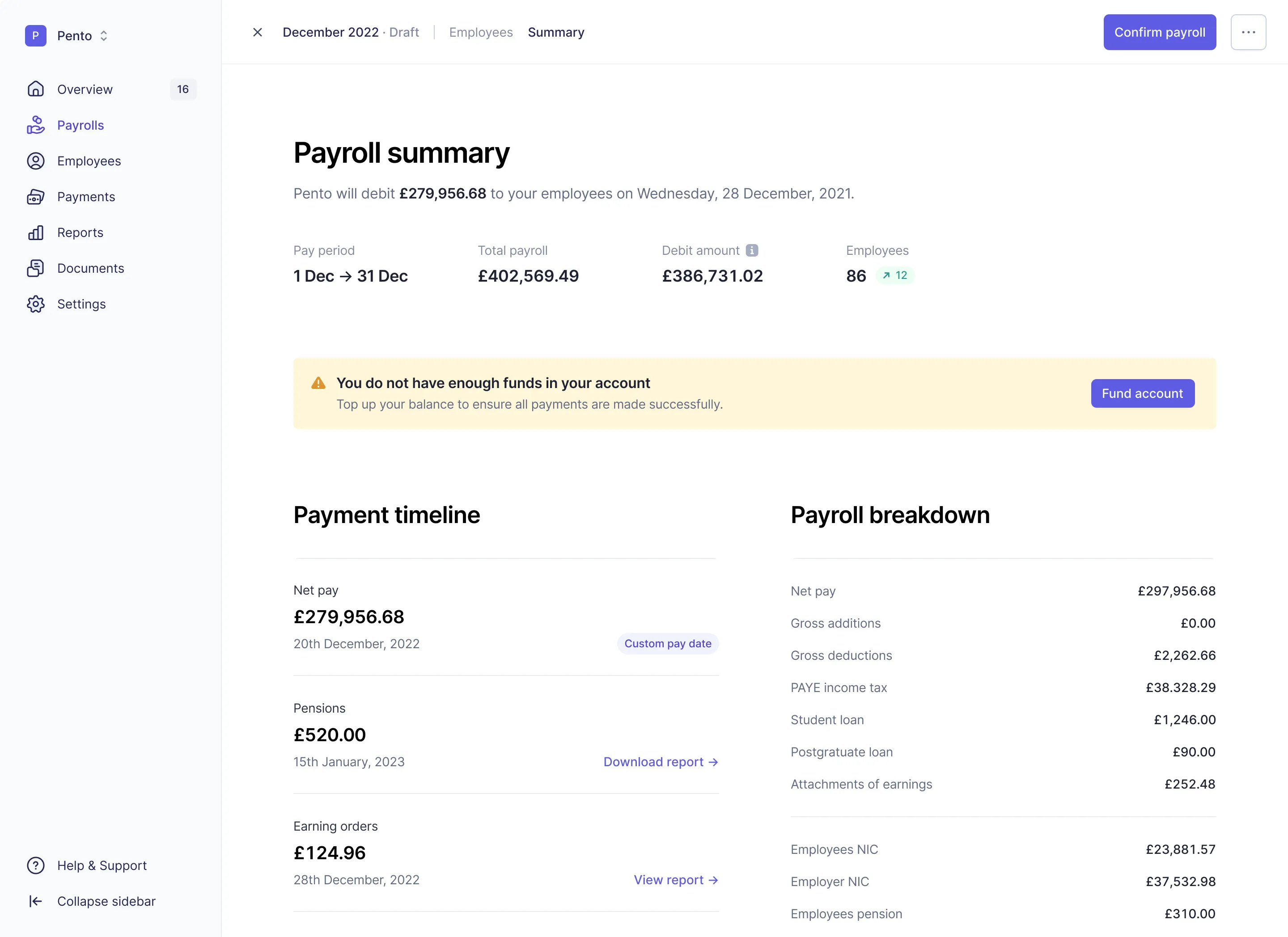
Pento
Helping businesses take ownership of their entire payroll with speed, confidence, and simplicity.


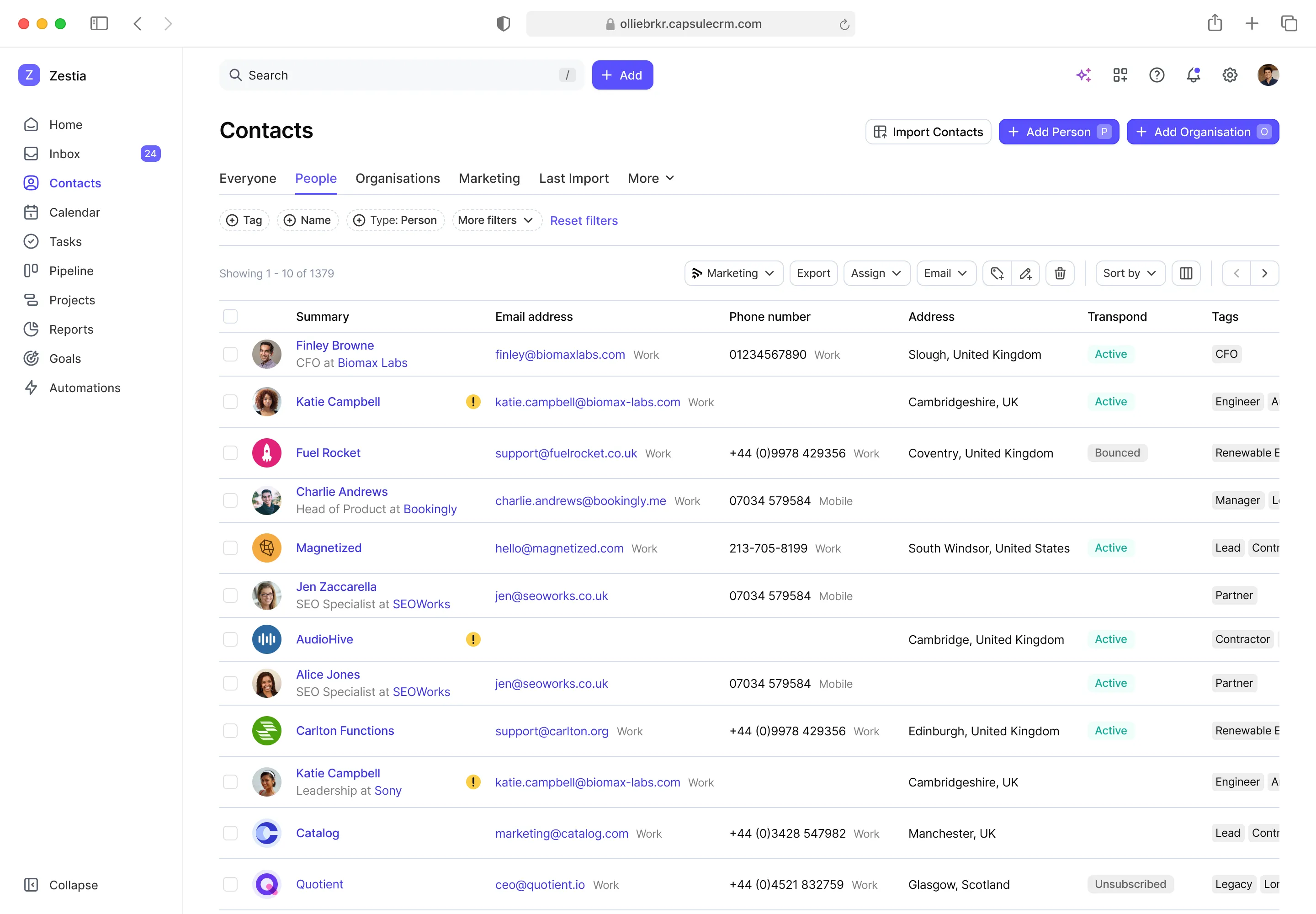
Capsule
Helping small businesses build stronger connections and grow their businesses with relationship and sales management software.


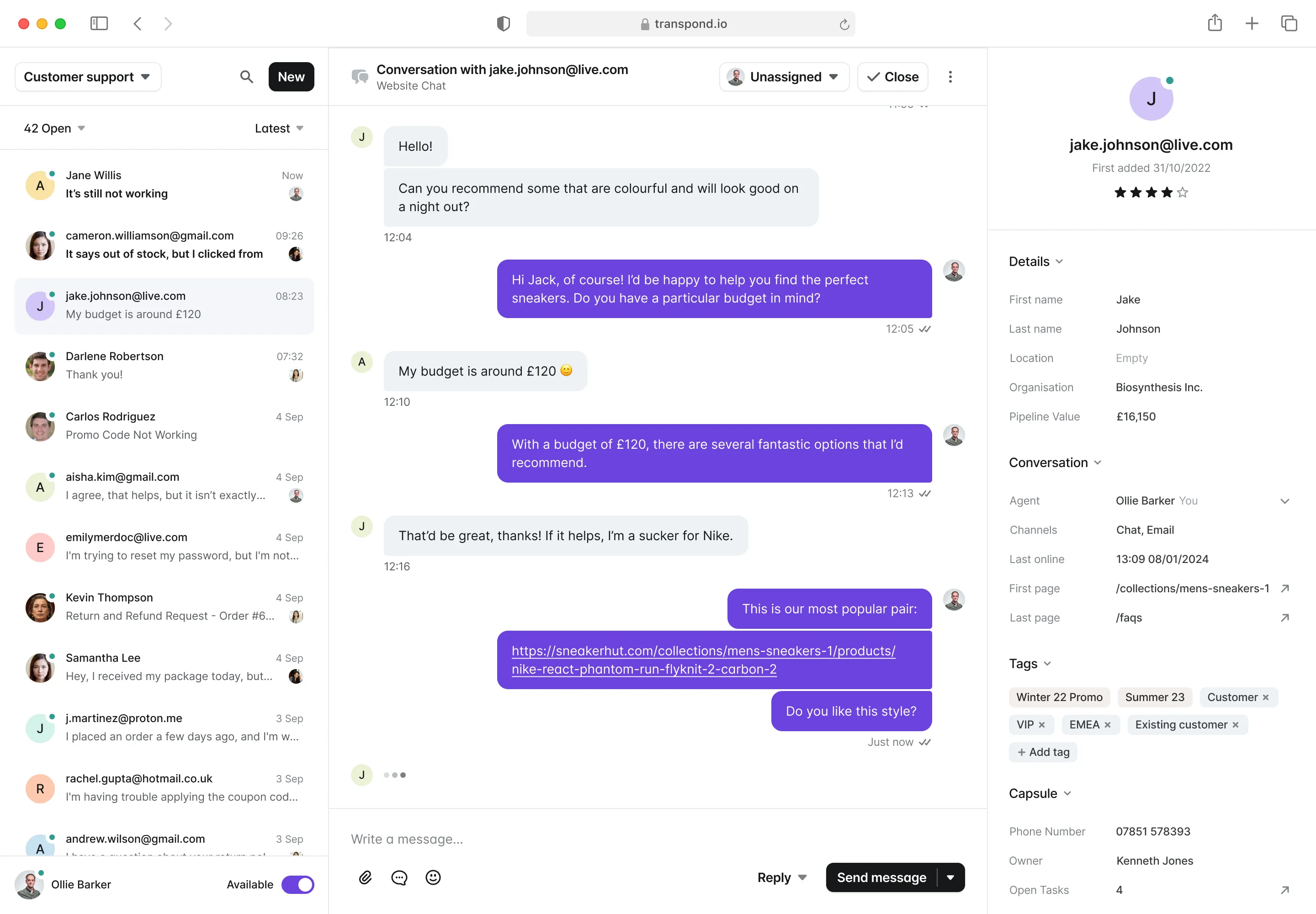
Transpond
Guiding businesses into email marketing, live chat, and automations to enable multi-channel campaigns that turn conversations into repeat customers.
My approach is simple.
Understand the product properly, decide carefully what to build, then stay involved until it's right. Good software is mostly the result of decisions made before anyone opens a design tool.
The best products feel obvious, and are built with care for the parts nobody consciously notices. They're fast where it matters and polished enough to feel effortless.
The principles below are how that works in practice:
Learn the product first
Before opinions, I learn how it works: the data model, edge cases, why it was built, and the people who use it.
Argue for less
Every feature costs you later in complexity and support. Keeping the scope tight and doors open.
Sweat the details
Spacing, phrasing, empty states, errors. None of it is decoration, and all of it is why people trust software.
Stay close to the build
From strategy to build, I work with every team and write code. Constraints found early are useful; found late, rework.
Learn from release
I instrument the work, watch how people actually use it, and go back in when the data says I got something wrong.
Don't design for applause
The best interfaces don't ask to be admired, they get out of the way. I aim for calm and invisible, not looked at.
Experience
Some of the companies I've had the pleasure of working with over the past decade.
- TranspondProduct & Design
- CapsuleProduct & Design
- PentoProduct & Design
 MoltinDesign
Side projects
Unpaid, un-scoped, mostly finished.